Assault and battery charges bring a fast, turbulent shock to life. Phones start ringing, member of the family murmur per various other in hallways, and the clock all of a sudden matters more than it did the day before. Within hours, commonly mins, you will deal with decisions that have legal, monetary, and personal consequences. Among the very first is exactly how to protect release from jail while the instance moves on. That is where bail and bail bonds go into the picture, not as abstract lawful principles, but as bars that affect how you can mount a protection, protect your work, and keep your life from unraveling.
I have actually seen both sides of this procedure up close: clients booked at two in the morning after a bar battle, parents attempting to comprehend the distinction in between a misdemeanor assault and a felony intensified battery, and unsure defendants deciding whether to upload money bail or utilize a bondsman. This guide traces those pressure points, concentrating on assault and battery instances specifically, since the facts and risks in these situations typically drive bail decisions in manner ins which surprise people.
The quick guide: what bond is, and what a bond does
Bail is a guarantee backed by money or security that the accused will certainly appear in court for future hearings. The judge sets the quantity, in some cases utilizing a neighborhood routine and in some cases after a brief hearing that takes into consideration danger of flight, seriousness of the cost, criminal history, and any kind of danger to area safety or the supposed victim. If the defendant articles the sum total in cash money or with a protected instrument, the court holds it till the situation wraps up. If the accused makes every appearance, the court reimbursements the bond, minus tiny administrative fees.
A bail bond is a contract. A certified bail bond business pledges the complete bond amount to the court, and the defendant (or a co-signer) pays the bondsman a fee, normally 10 percent of the overall, in some cases more for greater threat accounts. That cost is nonrefundable. If the offender falls short to appear, the bail bondsman may owe the court the complete bond and can utilize security or seek recuperation to cover the loss.
The bond does not get rid of the lawful responsibility to attend every hearing. It shifts economic threat and supplies a pathway to launch when cash money available is not enough to cover the complete bail.
Assault versus battery, and why the tags matter for bail
States fix a limit between attack and battery in a few various ways, however a common split goes like this: attack includes intentionally developing a reasonable concern of brewing damage, and battery includes dangerous or offensive physical call. Some territories merge the terms, however prosecutors still compare non-contact dangers and contact-based injuries.
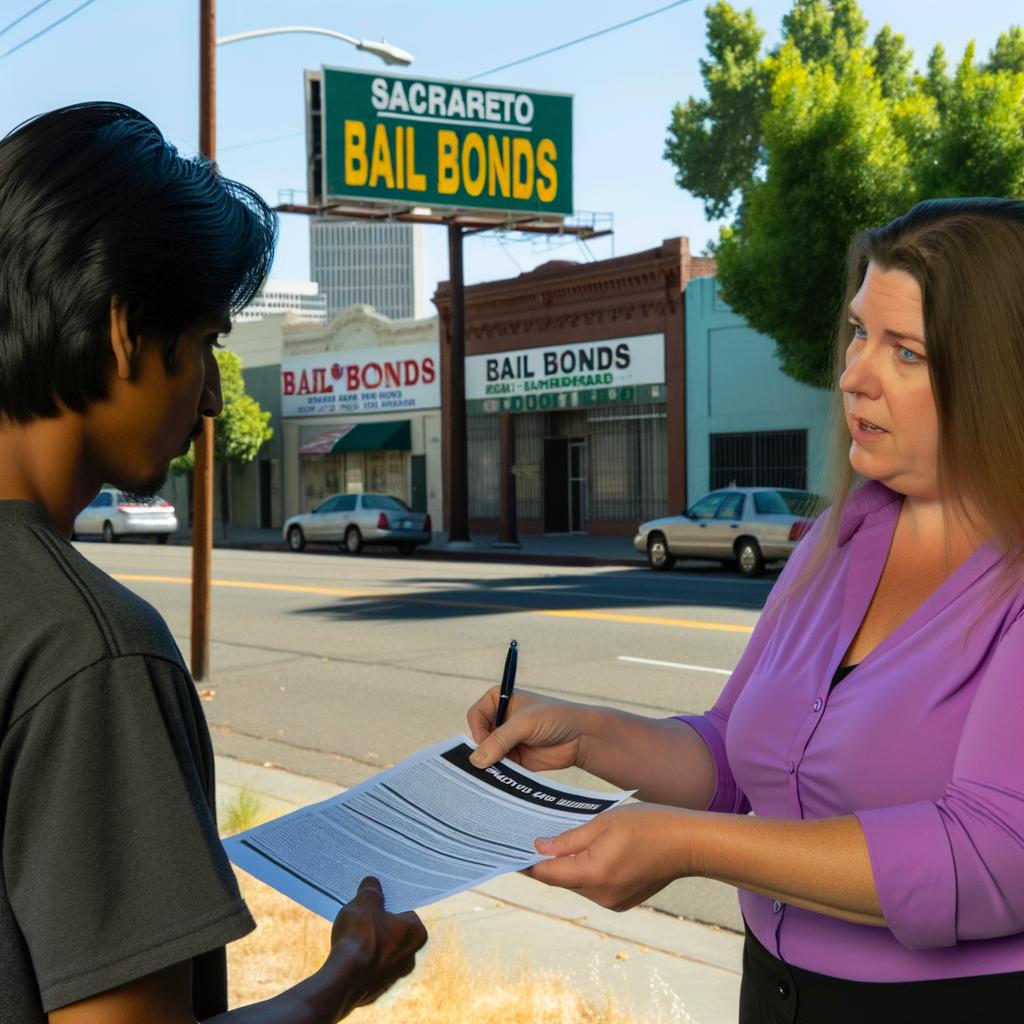
That difference matters at a bond hearing. An instance identified simple assault, involving a hazard during a disagreement without injury, may see a modest bond or perhaps launch on recognizance if the accused has very little history. A battery that leaves noticeable injuries introduces a various degree of problem. A fee with irritating aspects, like use a weapon, strangulation, injury needing medical therapy, or a vulnerable target, can push bail upwards swiftly. Judges deal with residential violence batteries as an unique group, usually with obligatory ceasefire agreements, no-contact orders, and specific bail conditions.

The truths at apprehension are just a picture. Judges are wary of continuous danger to a named sufferer, particularly when there is a previous phone call to the same address. Text, 911 recordings, and witness declarations can move bond by thousands of dollars in an issue of minutes. Anticipate the prosecutor to highlight those information at the initial appearance.
How bond gets set in assault and battery cases
Every territory has its own rhythm, but the initial court look tends to comply with a pattern. The court considers potential reason, recognizes the fee group, inquires about advice, and addresses launch. Some areas utilize a bond schedule that details suggested quantities by cost; others lean on threat assessments that connect in history, failings to show up, and the severity of the claimed conduct.
Judges take into consideration these factors in assault and battery situations:
- Injury level and medical paperwork. A small swelling brings less weight than a damaged bone or medical facility admission. Use of a tool. A firearm, knife, or improvisated tool like a container changes the calculus. Relationship to the victim. Cohabitants and member of the family trigger protective-order concerns. History of violence or previous safety orders. A previous conviction or even a pending situation signals increased risk. Substance usage at the time of offense. Alcohol and drugs can point to volatility and may prompt treatment conditions.
Even within the same court house, 2 courts can land on different numbers. I have seen bail array from release on recognizance to six-figure quantities for assault instances that share a charge name however vary in the information. When individuals ask what to anticipate, I offer an array and stress that the narrative matters. A court intends to listen to that the living situation is steady, that somebody responsible will select the offender up, and that there is a strategy to comply with no-contact conditions.
The technicians of using bail bonds
If the collection bond is $25,000, publishing that full amount in cash might not be realistic. A bondsman can create a bond for that very same amount, normally billing a premium of 10 percent, or $2,500. In some states, the premium can be as https://waylonmizq740.huicopper.com/exactly-how-to-switch-over-bond-bond-firms-is-it-feasible low as 7 percent or as high as 15 percent, depending on guideline and danger. For higher bails or riskier profiles, the bondsman might call for collateral, such as a car title, a lien on a home, or a money down payment, and a co-signer with verifiable income.
The bond contract define duties: stand for court, inform the bondsman of any timetable changes, abide by problems, and keep get in touch with information upgraded. Some bondsmen usage check-ins or digital tips. Others will certainly ask for normal in-person gos to, generally once a week or after every court day, until the bond is exonerated.
Defendants often assume the bond can be terminated without effect if they want to change carriers. That is not how the contract functions. Canceling a bond typically requires abandonment back to protection, then a fresh bond with a new supplier, and the first premium remains nonrefundable. That can imply double costs and unneeded time in jail. Make the front runner carefully.
Conditions of release tailored to physical violence concerns
A bond number alone does not protect a supposed sufferer. Courts form release making use of problems, and assault and battery cases tend to attract a much more detailed set. Usual conditions consist of no-contact orders, stay-away distances determined in lawns or feet, alcohol and medication abstinence, removal of firearms from the home, GPS tracking in severe cases, and curfews. Domestic violence courts frequently include batterer treatment analyses or initial therapy referrals.
Judges will ask about safe real estate if the events shared a home. If the accused chooses to go back to the exact same address in violation of a stay-away order, also without a brand-new violation, a bond revocation can comply with. Bondsmen take notice of these problems, because offenses can cause bond forfeit. Some will proactively surrender a customer they believe is headed toward an infraction, liking that to a costly forfeit fight.
Practical timing: how quickly can you obtain somebody out?
If the jail utilizes a common bail timetable for simple assault or violation battery, release can be fast. Families can contact a bondsman within an hour of booking, and a bond can be posted as soon as the jail refines the documentation. In urban counties with high volume, the choke point is usually the jail itself. I have actually seen bond approvals rest for 2 to 4 hours waiting on a release policeman, and much longer on weekends. For felony attacks that call for a court to establish bond, anticipate to await the first appearance docket, frequently the following early morning or the complying with company day.
Speed has value in attack cases. The earlier someone gets out, the much less likely they shed a task for missing out on a shift, the better the possibility to collect phone documents before they auto-delete, and the more time to plan for safety order compliance.
Choosing a bail bonds business for a terrible charge
Price matters, however solution and experience matter much more when a case involves violence or a residential relationship. The premium percent will certainly not change much between trustworthy companies in the same jurisdiction; guideline has a tendency to tighten the array. What differs is how they take care of rubbing points.
Ask just how they interact when a hearing obtains rescheduled with brief notice, whether they have a 24-hour contact line, and how they approach no-contact order conformity. The most helpful bail bondsmans keep the instance calendar, send tips, and treat the accused like a customer rather than a data. If a business seems excited to promise the moon without inquiring about the realities, take care. Good bondsmen assess risk since it keeps everybody out of trouble.
Look at licensing and region presence. A bondsman that works the exact same court house daily will understand the neighborhood courts' propensities. When a prosecutor promotes a condition that seems unfeasible, such as a difficult curfew for a night-shift worker, experienced bondsmen can assist defense counsel framework a more sensible option because they have actually enjoyed what courts accept.
When the victim's voice shapes bail
In attack and battery situations, the claimed target's input brings weight. Prosecutors typically present the target's statement at the opening night, occasionally by phone. If the victim demands a no-contact order or describes a background of intensifying problem, judges listen. On the various other hand, a target asking for compassion does not ensure a low bail. Courts know that residential characteristics are intricate, and safety and security will triumph over convenience.
Defendants need to get ready for strict limits despite recurring relationships. That suggests leaving, organizing kid exchanges through third parties, and removing firearms from a common house. I have seen bail revoked since a defendant addressed a call from the safeguarded event and proceeded a discussion in which the protected party begged for a check out. The order binds the defendant, not the other person. Prevent all get in touch with till a court customizes the problem in writing.
The economics: cash bond versus a bond
On paper, cash money bail is more affordable if you can afford it. Post $15,000, make every court day, and recover almost all of it at the end of the situation. The disadvantage is opportunity cost. That cash money can continue to be tied up for months or longer, particularly if the case goes to trial. For a small company owner or somebody supporting a family members, that can strain rent, payroll, or clinical bills.
A bail bond spreads out the cost: pay a premium, keep your savings offered, and approve that the charge is the cost of liquidity. The bond can also assist when the court sets a bond that is just out of reach yet still manageable with a co-signer and security. Households often combine both approaches, publishing partial cash and using a smaller bond for the rest, when regional rules permit it.
Be practical about collateral. A car with a $7,000 private-sale worth that still has $6,500 left on the car loan will not safeguard a $25,000 bond. Equity issues, not the sticker price. Bondsmen will confirm titles, assess jewelry and collectibles conservatively, and prevent properties that are difficult to liquidate.
What takes place if you miss court
Failure to show up in an assault or battery case produces a dual issue. Initially, the court can provide a bench warrant and, in some states, charge a separate infraction. Second, the bond slides towards forfeit. Bondsmen rarely wait passively. If they can not reach a client rapidly, they will call co-signers, browse through listed addresses, and, if needed, use healing agents. Co-signers ought to recognize that they can be economically responsible, not simply for the costs, but for the full bond amount if the court declares a forfeiture and the bondsman can not treat it.
If you miss out on court for a genuine emergency, act right away. Contact counsel and the bondsman the very same day, record the reason, and move to subdue the warrant. Juries have discernment. The distinction between a composed explanation submitted promptly and a quiet week of avoidance can be the distinction between restoring the bond and sitting in jail.
Domestic physical violence batteries: a special lane
Domestic violence claims bring a various collection of practical difficulties, even for novice offenders. Several counties enforce a compulsory hold before first appearance, typically 12 to 48 hours, to permit a cool-off period and to give victim advocates time to reach out. Juries commonly need a no-contact order also if the celebrations share a home or youngsters. That can require a shuffle for momentary housing.
Expect additional launch problems such as gun relinquishment, substance screening, and, for repeat contacts us to the exact same address, GPS surveillance. Bond can still be secured with a bondsman, yet the security and co-signer demands may be tighter. Some bondsmen in these situations need numerous co-signers, especially if the offender has a current background of protective order violations.
If the court orders a batterer intervention evaluation, treat it seriously. Conclusion prices matter at sentencing, and courts remember who conformed from day one. From a bond point of view, very early conformity can persuade a court to loosen up GPS or curfew limitations after the first few hearings, which in turn decreases both price and stress.
Aggravated attack and felony-level battery
When an instance crosses into felony territory because of serious injury, use of a tool, or assault on protected classes like law enforcement, bail modifications character. Threat of trip comes to be an actual element if the prospective sentence climbs up right into multi-year region. District attorneys often request high bonds, in the 6 figures, or perhaps pretrial detention without bail where state regulation allows it.
Defense counsel can still make targeted bail arguments. File ties to the neighborhood: years at the exact same work, family members obligations, residential or commercial property possession, and clinical dependencies. Deal conditions that reduce the effects of risks, such as GPS, home detention, or third-party custodians. Bondsmen in these cases will typically call for strong security and co-signers with verifiable properties. Premium percents can be higher, commonly on top end of the allowable array, due to the fact that the danger of loss raises with significant charges.
Collateral stories: what in fact protects a bond
Over the years, I have actually watched families get innovative. One client used a paid-off work vehicle and a tiny cost savings certification to secure a $20,000 bond for a misdemeanor battery, with a 10 percent costs. An additional uploaded an act of trust on a modest home to back a $75,000 worsened attack bond. In both cases, the bail bondsman desired clear records: titles devoid of liens, existing tax bills, and proof of insurance policy. Anything unpleasant slows down the process, and in some cases thwarts it entirely.
Understand the danger. If an accused absconds, the bondsman will transfer to cover direct exposure rapidly. That can mean reclaiming a lorry or requiring a sale. Co-signers ought to never ever authorize out of sense of guilt or anxiety without a clear plan for guidance and assistance. A thoughtful technique at the beginning can protect against pricey effects later.
How bond influences protection strategy
Freedom changes the protection. A customer out on bond can meet with counsel routinely, aid find video clip from neighboring services, and sit with a detective to map out the scene. It is much easier to accessibility treatment, get in therapy, and accumulate records such as clinical or work records. Judges and juries reply to a defendant that shows up nicely dressed with evidence of security and effort.
On the flip side, being out on bond includes commitments. Every brand-new arrest, also for a traffic crime, ends up being a threat. Social network becomes a minefield. In assault and battery situations, what you upload or message after release can torpedo a defense in a heart beat. Greater than once, I have needed to take care of a screenshot of an angry message that broke a no-contact order and increased the accused's issues. Use release to develop an instance, not to relitigate a dispute in public.
When no bail is an option, and what to do about it
Some judges refute bail in extreme instances: repeat fierce felonies, dangers to witnesses, or situations where state legislation assumes detention. Defense counsel can ask for a bond review, offer a much more complete account, and suggest conditions that respond to certain dangers. In specific jurisdictions, constitutional or legal guidelines ensure a review within a set number of days. The time in between the opening night and the testimonial hearing need to be made use of to set up documents: proof of employment, letters of assistance, treatment registration, and any type of proof that undermines the claimed toughness of the case.
If a bond testimonial decreases the quantity or imposes conditions, a bondsman can action in once the new terms message. Coordinate ahead of time so the bond can be composed immediately after the hearing.
The two discussions you require to have on day one
- With counsel: what realities will the prosecutor highlight, which conditions are non-negotiable, and what sensible bond range fits local practice. Agree on who will speak at the hearing and what message to deliver. With a bail bondsman: what premium applies, what security is acceptable, and what check-in assumptions exist, particularly with domestic or exacerbated costs. Ask exactly how they take care of abrupt schedule adjustments and whether they assist with reminders.
Those two conversations established assumptions and stop missteps in the first 24-hour, when feelings are raw and blunders are easy.
Common myths that create trouble
Relatives and good friends typically share guidance that appears confident and becomes wrong. 3 mistaken beliefs turn up continuously in assault and battery cases.
First, that calling or replying to the supposed target is harmless if the sufferer launched call. It is not. No-contact ways no get in touch with, from either instructions, up until the court changes the order.
Second, that uploading cash money bond assurances quick launch. The jail's workflow dictates rate, not the technique of payment. A bondsman that recognizes the facility's rhythms can occasionally relocate documents faster than a household strolling in with cash.
Third, that the costs is refundable. It never ever is. Reimbursements apply to pay bail uploaded directly with the court, not to charges paid to a personal bonds company.
Resolving the situation and what takes place to the bond
When a case ends, the bond is exonerated. Termination, pardon, appeal, or punishing triggers paperwork that closes the bond, and collateral must be launched. This is not immediate. Courts take days, in some cases weeks, to send notice. If you used real property as collateral, plan for a lag before the lien gets rid of. Stay in touch with the bondsman to make sure every action runs its course.
If the situation settles with probation and recurring courses, bear in mind that bond exoneration is separate from supervision. The bond shuts when the court claims the pretrial stage is complete, even if probation continues for a year.
Final ideas from the trenches
Assault and battery cases are unpleasant. They arise from human rubbing, often sustained by stress, alcohol, or old hurts. Bail is not a moral judgment; it is a tool that allows the lawful process to unravel while a person remains totally free. Done right, it produces the breathing room needed to deal with the situation with clarity. That indicates selecting a liable path in the very first 2 days: respect the court's problems, locate a bondsman that interacts, and utilize the time to assist your lawyer gather facts.
The best end results I have seen in these situations share a pattern. The defendant takes the no-contact order seriously, gets in therapy if alcohol or temper contributed, and reveals the court a consistent record of conformity. Judges notification. Prosecutors notice. A well-managed bond, backed by a strategy and supported by family that recognize the stakes, commonly equates right into a much better resolution than any individual expected on the day of arrest.
The procedure is hard, however it is navigable. Know the policies, select partners thoroughly, and deal with every hearing like one of the most vital visit on your schedule. With that said strategy, bail bonds become what they need to be in assault and battery situations: a bridge between crisis and resolution, not one more dilemma of their own.
ABBA Bail Bonds 900 Avila St STE 101 Los Angeles, CA 90012 (213) 296-0901 https://abbabailbonds.com